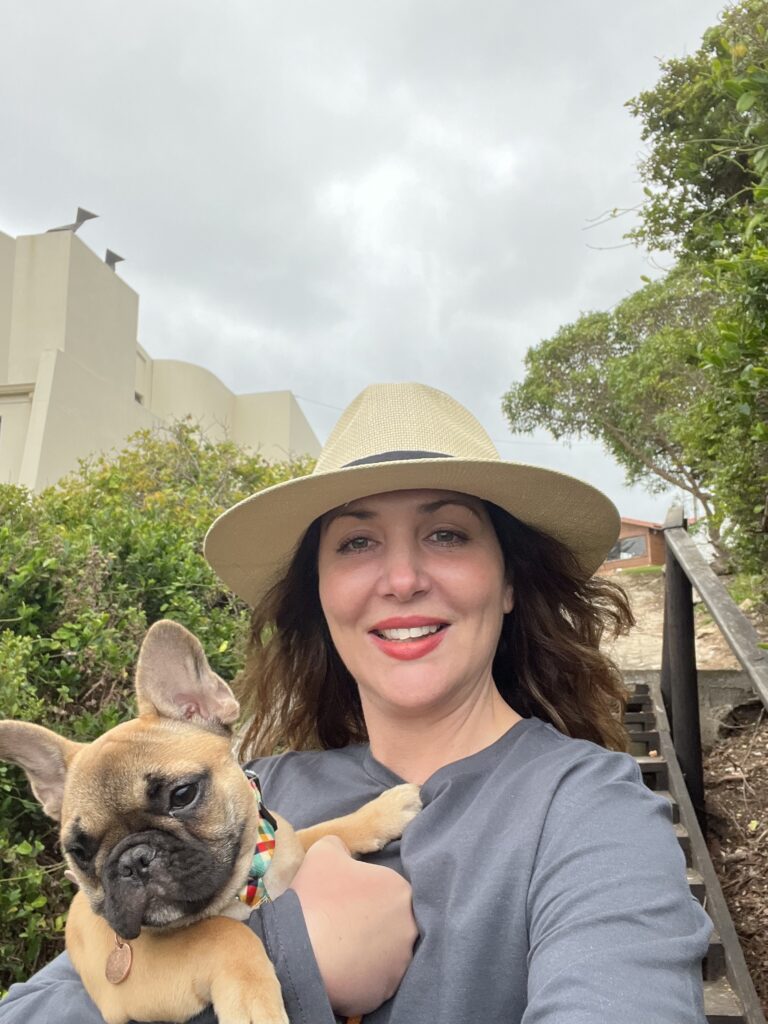
I’ve been experiencing an overwhelming sense of unease over the past two months that I can’t seem to shake. I have no real reason to feel this way. My life is great! However, I find I’m not in the mood for the things that gave me joy a few months ago, and I don’t enjoy social events with the people I used to be eager to see as much as I did before. It is as if something came overnight and sucked the joy right out of everything, without notice or a big fanfare, quietly, suddenly, and completely. And it left me waking up to a day when the colours just weren’t as bright as the previous day.
Hiraeth: the feeling of being homesick for a home one is not able to return to; homesickness pertaining to a home that never was – Celtic word
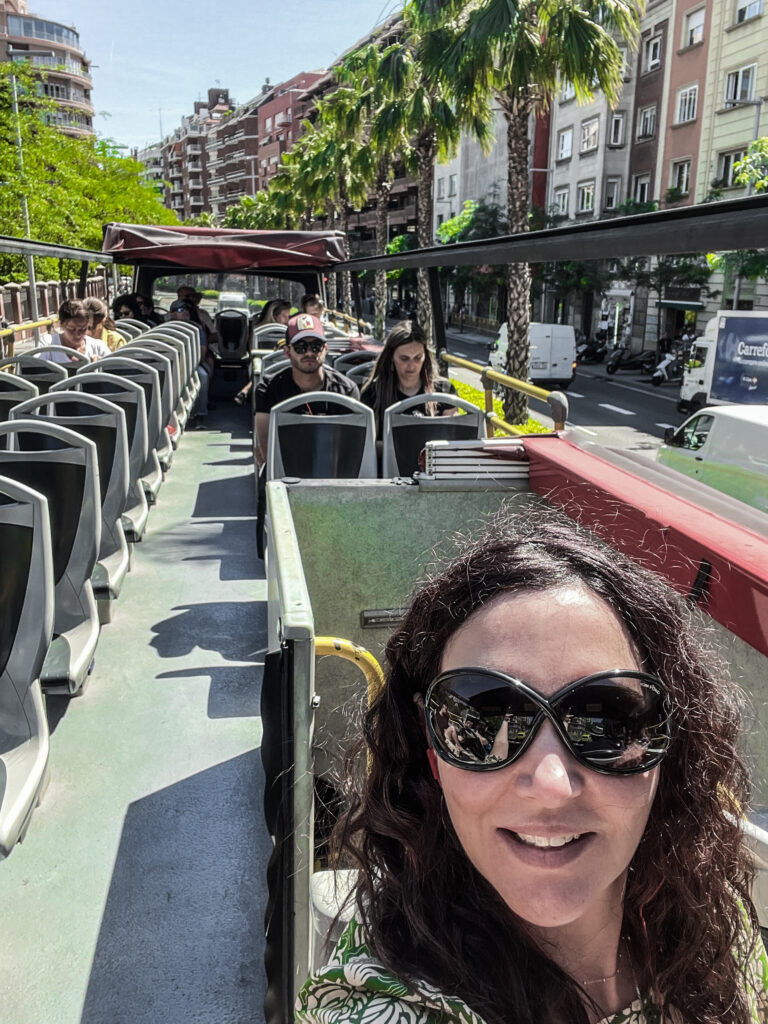
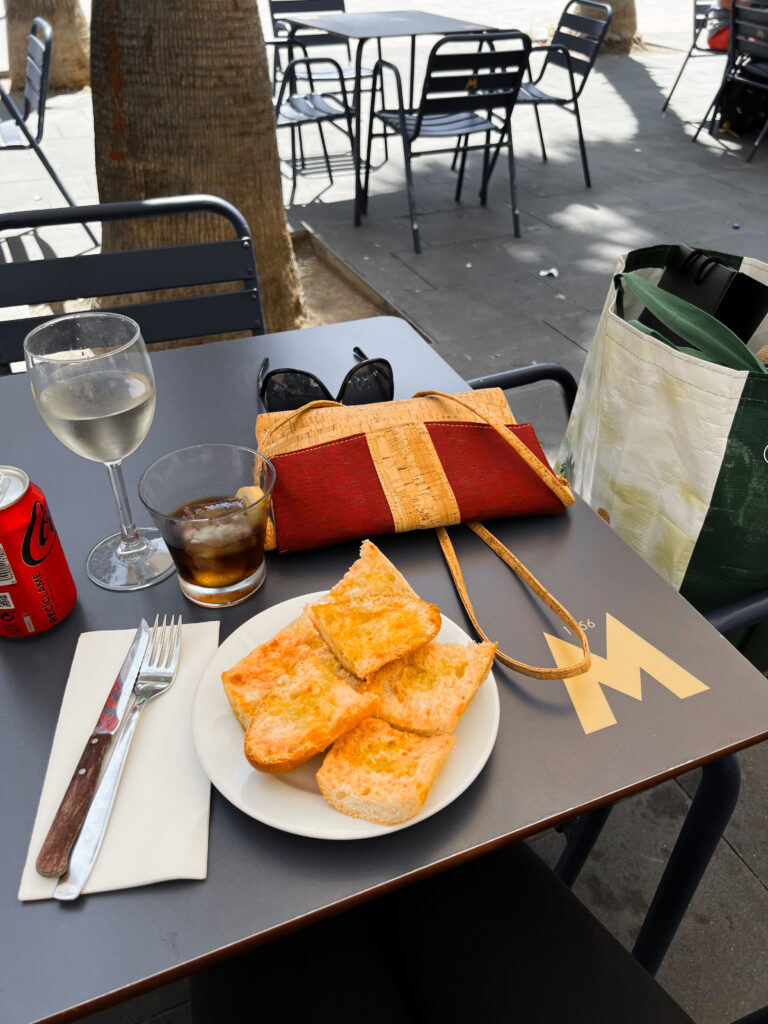
I find myself daydreaming about travelling to places far from here. The urge to just up and leave is overpowering. This week, I am yearning to be in Barcelona. I want to walk the leafy streets, stop at a café for Pa amb tomàquet (a staple Barcelona dish of toasted bread rubbed with raw garlic and smeared with ripe tomato pulp) and a glass of chilled wine, and when I’m tired, hop on an open-top bus to marvel at the city’s Art Deco architecture. I am trying to work out why I feel like running away. Why do I feel so uneasy and as if I don’t belong?
Our bodies know that they belong; it is our minds that make our lives so homeless – John O’Dononhue
I might have my hormones to blame. The posts on my Instagram feed keep reminding me that I’m in my perimenopausal stage of life and that low progesterone levels might be why I’m feeling anxious and less resilient than I used to be. I would like to believe that my unease is not hormonal and that it’s rooted in something less physical. As I read about the concept of belonging, I realise that psychologists worldwide research and emphasise its importance. It is such a vital part of being human that the American Immigration Council launched a project, The Belonging Barometer, to measure a sense of belonging in American society. The website states that belonging is a fundamental human need and is linked to many of the most complex challenges of our time. Without a sense of belonging, individuals and communities suffer; with it, they thrive. john a. powell (who spells his name in lowercase in the belief that we should be “part of the universe, not over it, as capitals signify”), the director of the Othering and Belonging Institute at the University of California, argues that Maslow’s hierarchy of needs, which motivates human behaviour, is wrong. He believes that belonging is indeed the foundation of basic human needs. Belonging is notoriously difficult to measure and is therefore often ignored when addressing the deep fractures in societies. Global diversity and inclusion expert Howard Ross says that everyone is searching for belonging.
The recognised opposite of belonging is othering. While the term othering makes sense in a societal context, Brené Brown argues that, from a personal and psychological standpoint, the opposite of belonging is fitting in. She says that fitting in requires changing oneself to be accepted by others, whereas true belonging involves being authentic even if it means standing alone. She says belonging is the spiritual practice of believing in and belonging to oneself so deeply that one is comfortable enough to share that version of oneself with the world. This true belonging is an active process that takes courage to be an individual rather than to fit in.
The most powerful relationship you will ever have is the relationship with yourself – Steve Maraboli
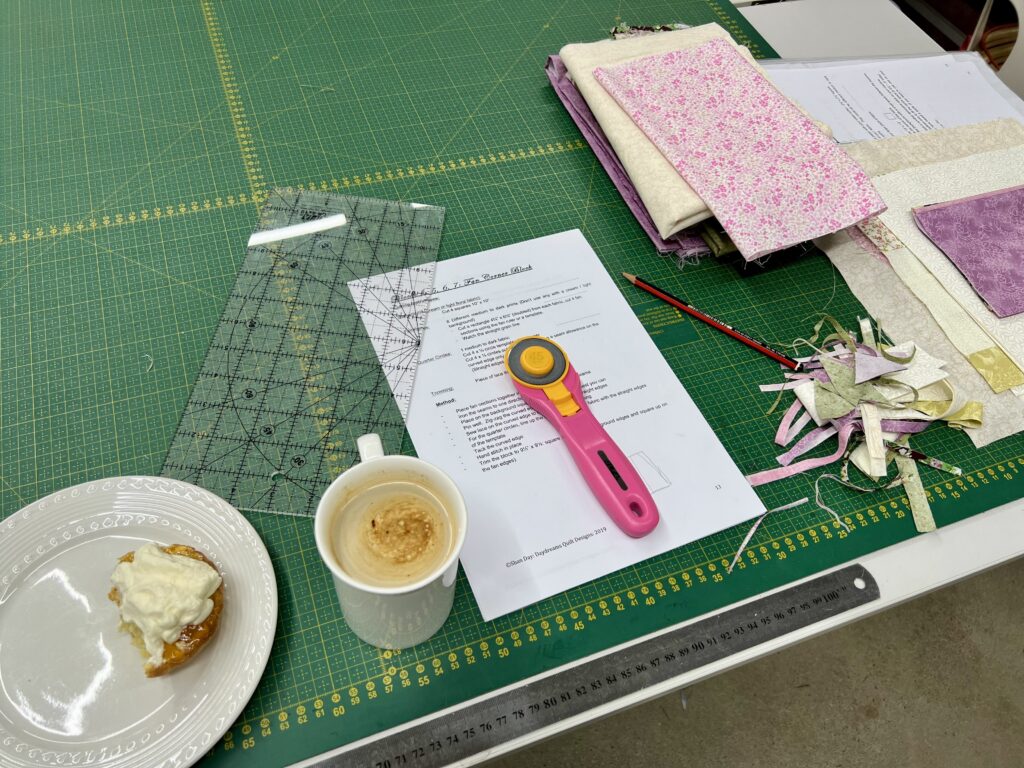
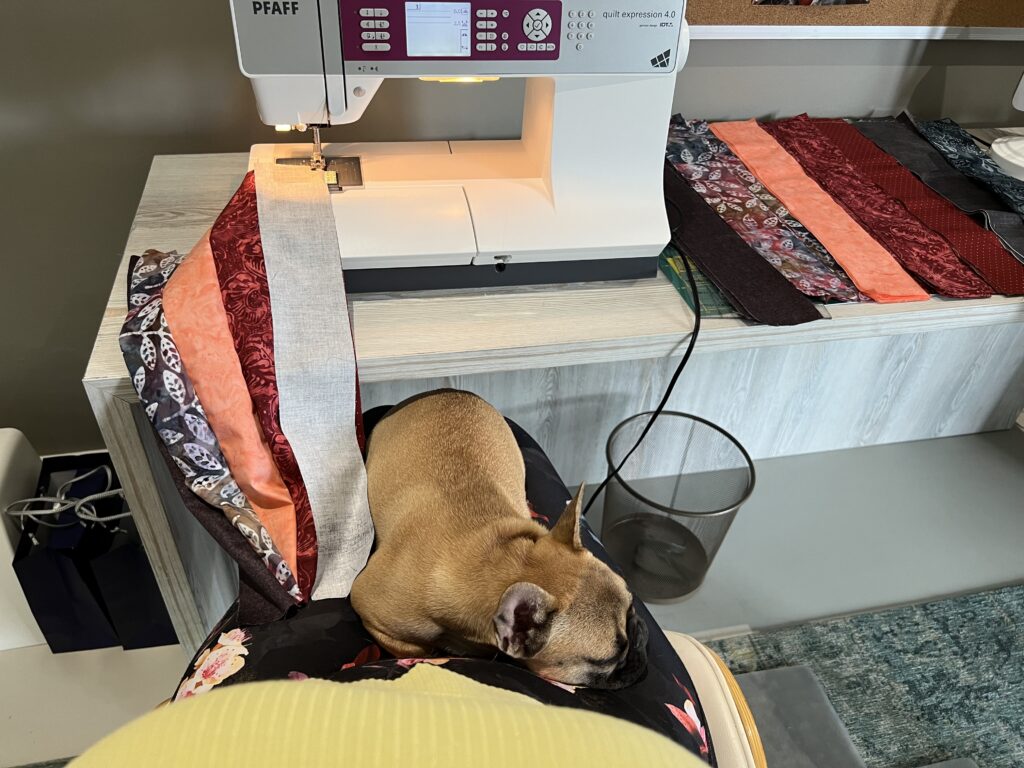
Two weeks ago marked the tenth anniversary of my Mom’s death. On the morning of the anniversary, I was home alone, quilting with a cup of coffee and a piece of cake by my side. I’m eating cake at 9:00 in the morning, and I don’t even have a sweet tooth, but I’m trying to connect with the memory of my Mom. She had a sweet tooth and would eat dessert before dinner if she could. So I’m eating my cake and drinking coffee, because tea has never tasted the same since my Mom died (nothing tastes like the cup of tea made by your Mom – mine used a teapot and a cosy to brew the best cup of tea). And while ironing the seams of my patchwork, I realise my sense of belonging has never been rooted in my authentic self but always in a place, a person, or a label I gave myself. Given that I moved three times in the last ten years, and I recently realised how fragile my safe place, the place I call home, is, it is no wonder I feel like I don’t belong. I had to reinvent and redefine myself so often with career changes that the label of “cardiothoracic surgeon” is not enough to make me feel that I belong. I have lost the label of daughter twice and had to become a caregiver for a second time. My label of friend is forever changing as people come and go in my life, and the label of partner and wife is constantly changing as my relationship with my husband grows. I realised that I had very little external support for my sense of belonging, and that is the problem.
Lost isn’t forever; it’s just a detour on the way to found – Jen Stephens
Brené Brown will probably tell me that I feel I don’t belong because I struggle to recognise my authentic self. I need to stop seeking external validation of belonging and instead look within. Maybe my urge to be somewhere far away, like Barcelona, isn’t about running away from my life but about remembering who I really am without the “noise” of my daily life. I Googled “finding your authentic self’ and AI responded: “Finding your authentic self involves peeling back layers of social conditioning to align your actions with your true thoughts, values, and emotions”. It seems the bottom line is that, as one searches for a sense of belonging, one should really be searching for one’s true self. The self, standing naked, not in a place, with someone, or with a label around the neck – stripped, alone. Mara Glatzel wrote a poem, Belong, with the opening lines: “I belong. My belonging belongs to me. I am responsible for cultivating my own unconditional love. I am responsible for ensuring my own safety and refusing to abandon myself, no matter how unsafe my circumstances feel or become. I am responsible for fully embodying my role as the tender steward of my life…” Cultivating this sense of belonging will take time and hard work, but I now know that I need to get reacquainted with my authentic self. As Stephanie Gast explains in her blog post Coming Home to Your True Self, one’s true nature will feel clumsy and awkward. It is to be expected. One’s true self needs some time to shake the dust off and gain its sea legs, but there will come a time when one will be able to say to oneself: “Hello, there you are, so pleased to meet you”.